
 by
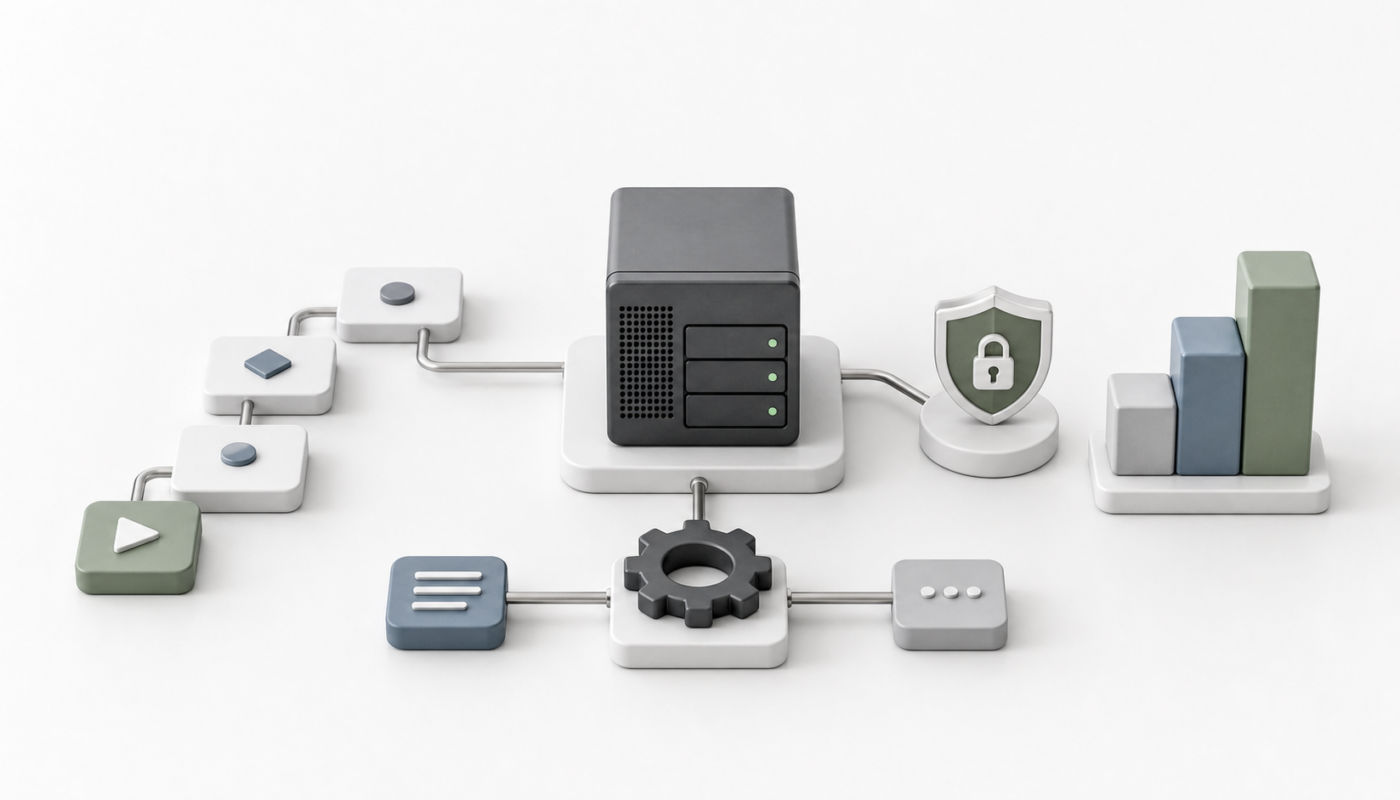
by Self-hosted automation becomes powerful when it is not treated as a hobby stack. In the enterprise context, it can become a controlled automation layer for internal workflows, integrations, notifications, approvals, and data movement.
Why self-hosting matters
Cloud automation platforms are convenient, but they can become expensive or restrictive. A self-hosted automation layer gives more control over data locality, credentials, logging, integrations, and cost predictability.
Practical toolchain
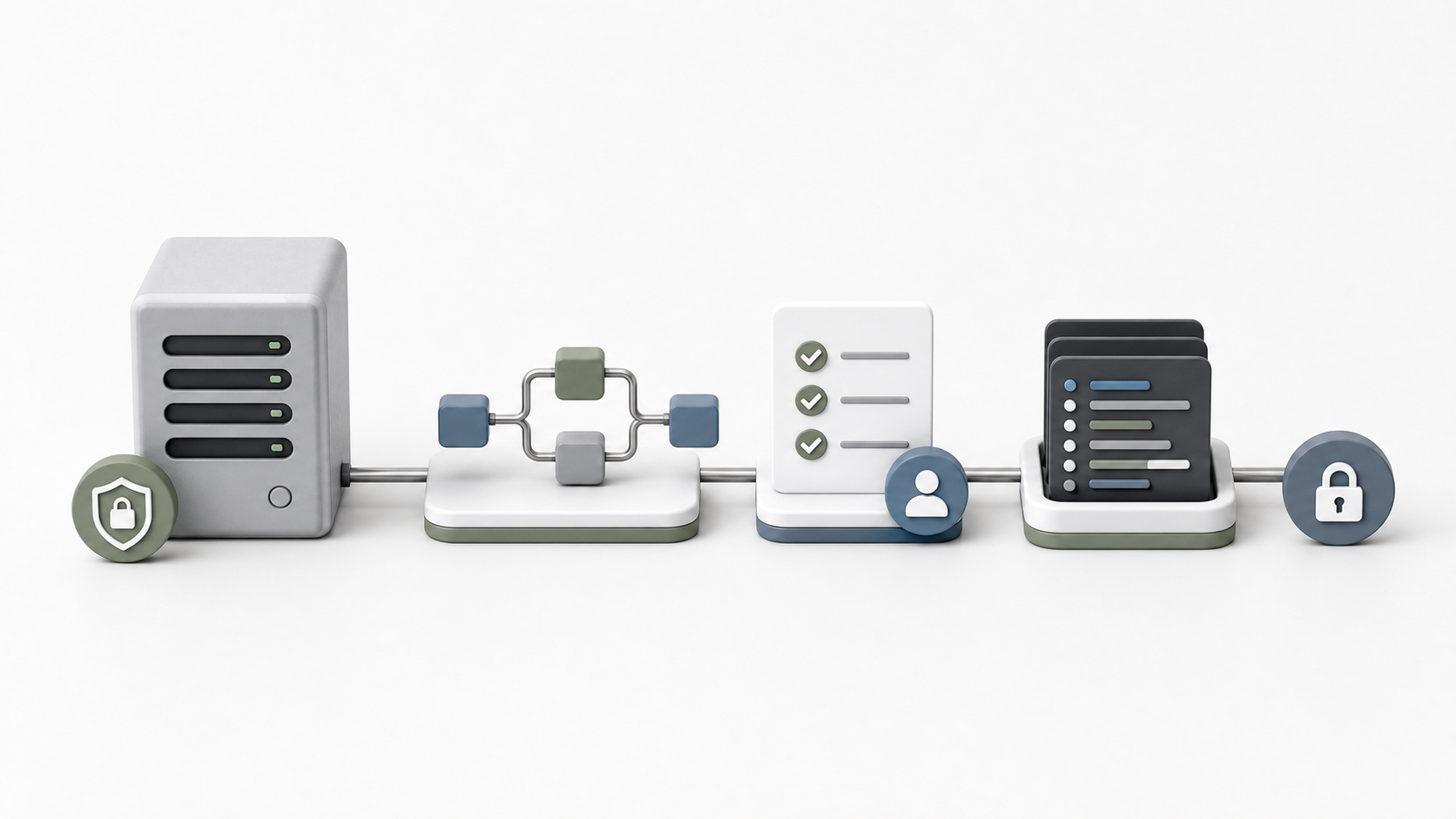
- n8n-style workflow automation for connecting APIs and internal systems.
- Docker for repeatable deployment and upgrades.
- Bitwarden or Vaultwarden for separating secrets from workflow logic.
- Cloudflare Zero Trust or LAN-only access controls for limiting exposure.
- Codex for generating helper scripts, API transformations, and documentation.
Where it fits best
- Internal notifications and approvals.
- Data cleanup and routing between systems.
- Scheduled reports and reconciliations.
- Webhook-based integrations.
- Operational checklists and exception handling.
The governance requirement
Self-hosted automation should not become a hidden shadow platform. Keep ownership, logs, credential boundaries, backups, and change control clear. The advantage is control, but only if the operating discipline is visible.
Related reading
- Safely giving AI access to homelab secrets with Bitwarden and MCP
- LAN-only HTTPS with Cloudflare, NPM, and Pi-hole
- Hosting personal apps securely with Cloudflare Zero Trust
- Docker production-ready setup