
 by
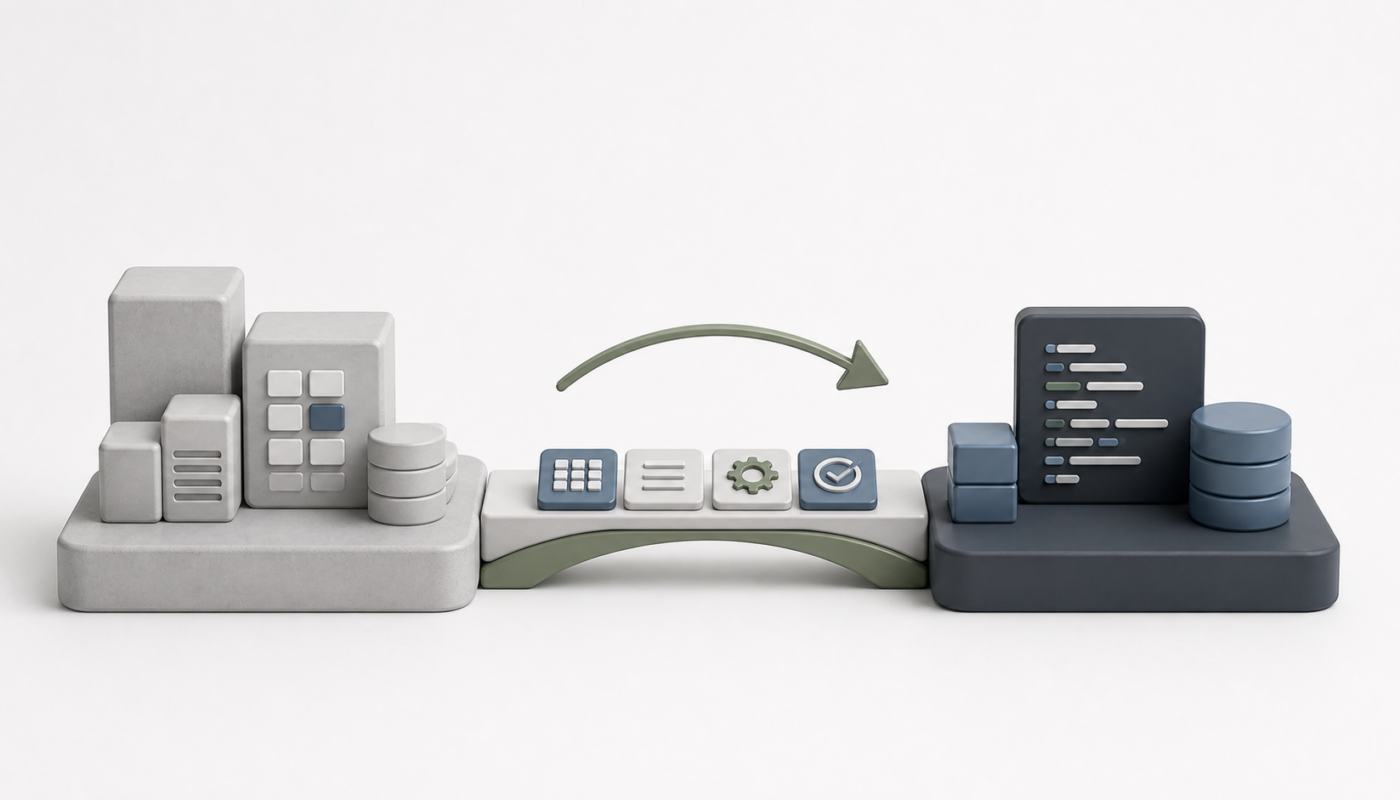
by Legacy low-code platforms can be valuable when speed matters, but they can also become expensive when licensing grows, customization deepens, and the organization becomes dependent on a platform that is hard to exit.
The platform-independence problem
The decision is rarely low-code versus code in a simplistic way. The real question is whether the organization can keep delivery speed while regaining control over cost, data, architecture, and long-term maintainability.
Practical toolchain
- .NET for durable enterprise application foundations where long-term control matters.
- Codex for migration scaffolding, refactoring, API wiring, and test generation.
- Docker for repeatable deployment across environments.
- SQL databases for clean ownership of operational data.
- App-builder tools for early workflow validation before hardening.
How to think about the migration
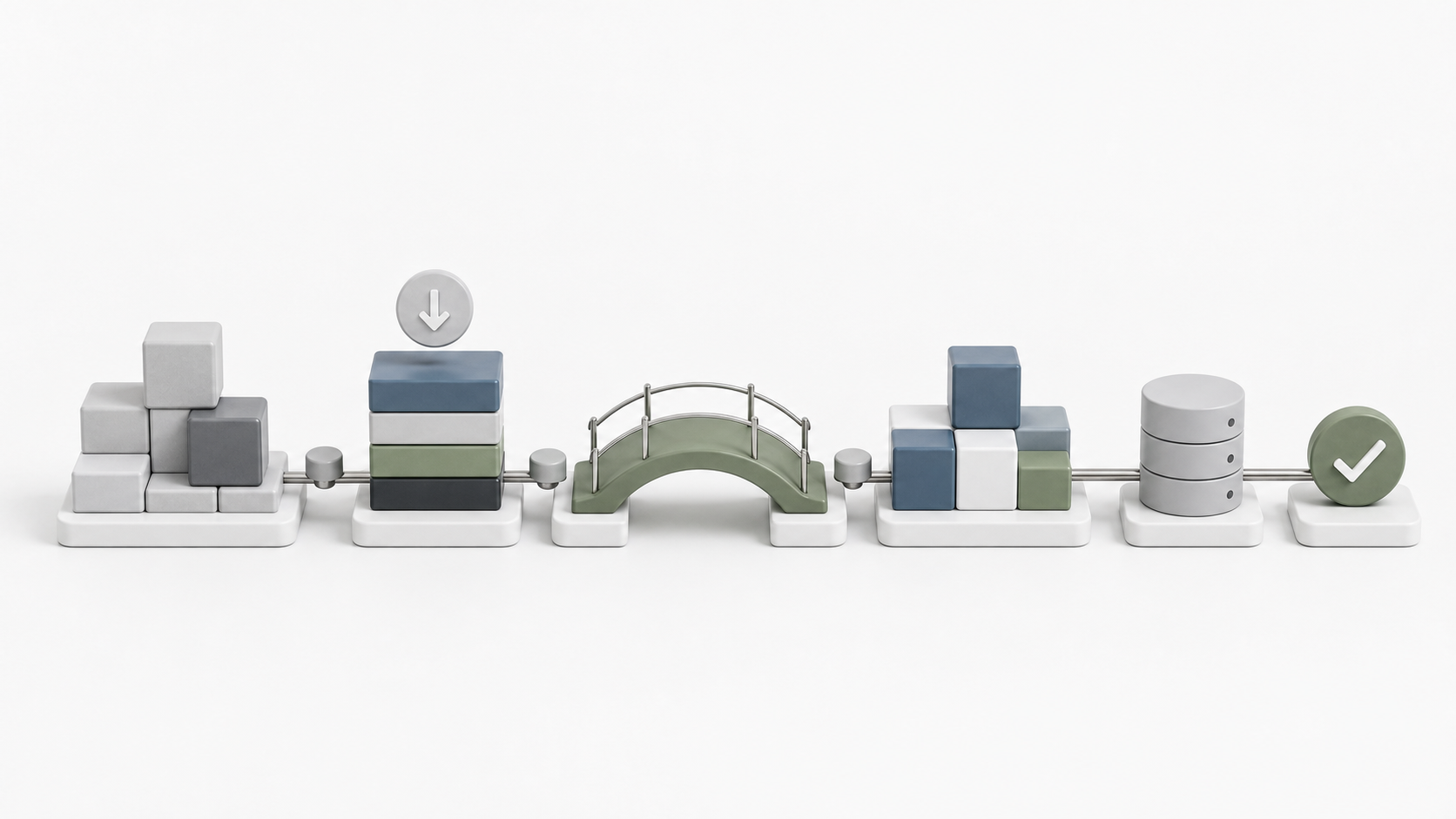
- Start with business-critical workflows, not screens.
- Identify which logic is platform-specific and which is reusable business logic.
- Export and validate the data model early.
- Rebuild the highest-value workflow first.
- Keep demo validation fast, then harden the backend and deployment model.
Why AIDRAD helps
AIDRAD keeps the migration from becoming a slow rewrite. The same intent-to-demo-to-harden lifecycle can preserve business momentum while the technical foundation becomes more independent.
Related reading
- Locally hosting a Google AI App Studio app with Docker
- Docker production-ready setup
- ITSM SaaS decommissioning and data ownership